How Exercise and Movement Help Reduce Stress
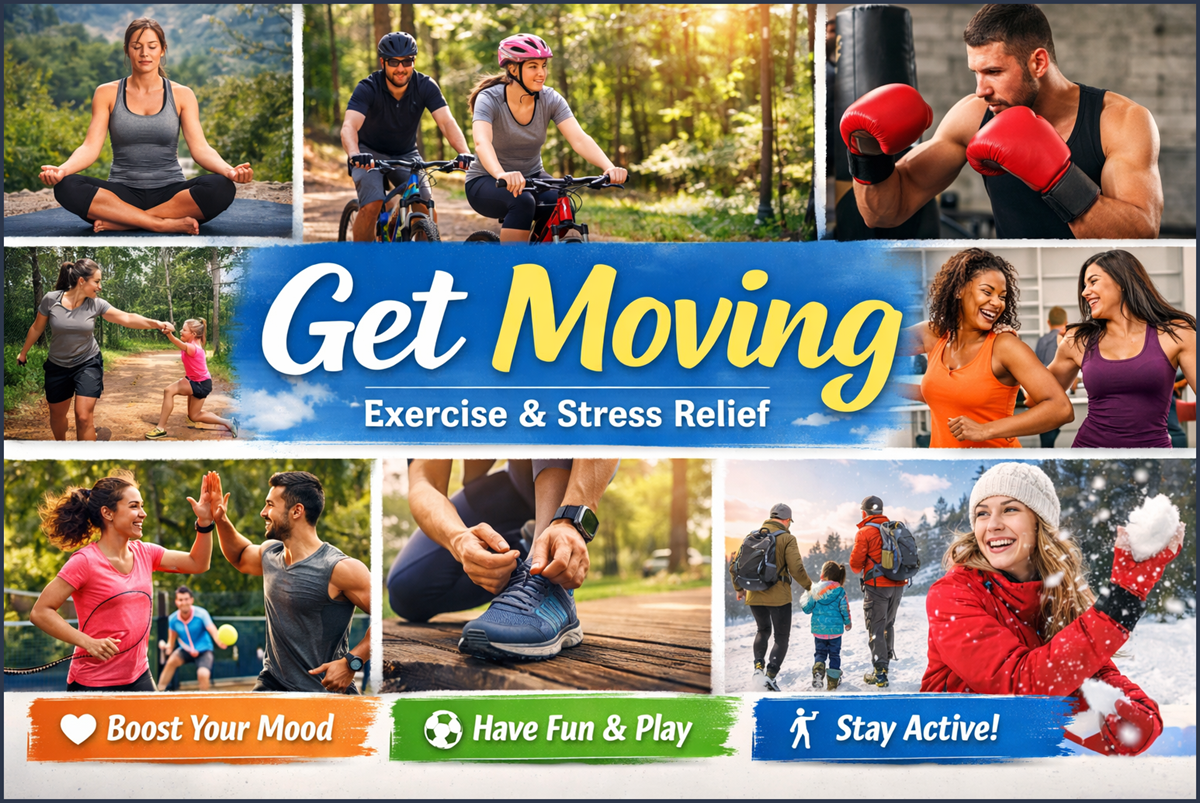
Stress is something almost everyone experiences in daily life. Work responsibilities, family obligations, financial concerns, and constant digital distractions can all contribute to feeling overwhelmed. While there are many ways to manage stress, one of the most effective and natural solutions is physical activity. Exercise not only benefits the body but also plays a powerful role in supporting mental and emotional well-being.
When you move your body, your brain releases chemicals called endorphins, often referred to as “feel-good” hormones. These chemicals help elevate mood, reduce anxiety, and improve focus. Regular movement can also improve sleep, boost energy levels, and help clear your mind after a challenging day.
The good news is that exercise does not have to mean intense workouts or long hours at the gym. Any activity that gets your body moving can help reduce stress and improve overall health. Below are a variety of ways you can incorporate movement into your daily life.
Simple Ways to Stay Active
There are countless activities that can help you stay physically active. The key is finding something you enjoy so that it becomes a regular part of your routine.
Here are several ideas to help you get started:
-
Go for a walk or jog around your neighbourhood or a nearby park.
-
Participate in recreational sports such as basketball, soccer, or tennis.
-
Take a dance class or simply dance to your favorite music at home.
-
Join a group fitness class for motivation and social interaction.
-
Visit the gym and experiment with different machines or workouts.
-
Attend yoga or Pilates sessions to improve flexibility and relaxation.
-
Explore barre fitness, which combines strength, balance, and core training.
-
Follow an exercise video or online workout at home.
-
Perform simple body-weight exercises such as squats, push-ups, or lunges.
-
Try a HIIT (High-Intensity Interval Training) workout for a quick, effective session.
-
Go mountain biking if you enjoy adventure and nature.
-
Take a relaxing bike ride through local trails or paths.
-
Spend time hiking and exploring scenic areas.
-
Visit a zoo, botanical garden, or museum and walk around while enjoying the experience.
-
Participate in winter activities like skiing, snowboarding, or ice skating.
-
Have a snowball fight, which is surprisingly good exercise.
-
Walk your dog or other pets regularly.
-
Do yard work such as raking leaves, mowing the lawn, or gardening.
-
Stay active with household chores like cleaning or organizing.
-
Take time to explore your neighborhood on foot.
-
Start a new active hobby, such as paddle boarding or rock climbing.
-
Play frisbee at the park with friends.
-
Toss a ball back and forth with family members.
-
Add quick bursts of activity during daily tasks—try jumping jacks or push-ups while waiting for dinner to cook.
-
Practice stretching exercises to loosen tight muscles.
-
Take the stairs and try stair climbing for a simple cardio boost.
As you can see, exercise comes in many forms. You do not need a strict training program to benefit from physical movement. Even small amounts of activity throughout the day can help relieve stress and improve your mood. Try some of these ideas on How Exercise and Movement Help Reduce Stress – And watch the improvements!
How Movement Helps Manage Stress
Physical activity helps combat stress in several important ways.
1. Improves mood
Exercise triggers the release of endorphins, which naturally enhance mood and create feelings of happiness.
2. Reduces tension
Movement helps release built-up physical tension in the body, especially in the shoulders, neck, and back.
3. Clears the mind
Taking a break from stressful thoughts while focusing on movement can help you reset mentally.
4. Boosts energy levels
Regular exercise improves circulation and oxygen flow, which can increase overall energy.
5. Builds resilience
Staying physically active can make it easier to handle daily challenges and pressures.
Because of these benefits, many mental health professionals recommend regular exercise as part of a stress management routine.
Tips for Making Exercise More Enjoyable
One of the biggest obstacles to exercising regularly is boredom or lack of motivation. Fortunately, there are many ways to make physical activity more enjoyable.
1. Work Out with a Friend
Exercising with a friend can make workouts more fun and motivating. Having a workout partner also helps with accountability, making it more likely that you will stick to your routine. Plus, it provides a great opportunity to catch up and spend quality time together.
2. Turn Exercise into a Game
Physical activity does not have to feel like a chore. Turning exercise into a game can make it much more exciting. For example, playing tennis, basketball, or tag can provide a great cardio workout while still feeling like play.
You can even set personal challenges, such as trying to beat your previous running time or reaching a step goal for the day.
3. Get Creative
Use your imagination to make workouts interesting. Try exploring new places for your walks, listening to energizing music, or setting fun mini-goals during your workout. Mixing up your activities can keep things fresh and prevent boredom.
Finding What Works for You
Everyone has different preferences when it comes to exercise. Some people enjoy structured workouts at the gym, while others prefer outdoor activities or casual movement throughout the day. The most important thing is finding activities that fit your lifestyle and make you feel good.
Remember, you do not need to exercise perfectly or intensely to experience the benefits. Even moderate activity—like walking, stretching, or playing with your kids—can make a difference.
The goal is consistency. When movement becomes a regular part of your life, it can significantly improve both physical and mental health.
Final Thoughts
Exercise is one of the most powerful tools for reducing stress and improving overall well-being. Whether you prefer hiking, dancing, playing sports, or simply taking a daily walk, every bit of movement helps.
Instead of viewing exercise as an obligation, think of it as an opportunity to care for your body and mind. By finding activities you enjoy and making movement part of your routine, you can reduce stress, boost your mood, and live a healthier, more balanced life.
Start small, stay consistent, and most importantly—keep moving.
Thank you for reading our Article on How Exercise and Movement Help Reduce Stress – Please Click Here to Return To Home Page